Targeted soft tissue treatment for hip pain, SI joint dysfunction and piriformis syndrome at Beverley Road, New Malden KT3 4AW. BTEC Level 5, 66 five-star reviews. First session £80.
Hip pain is one of the most frequently mislocated complaints in musculoskeletal therapy. The ache in the buttock, the deep groin pain and outer thigh restriction can all originate in the piriformis, TFL, hip flexors or gluteals rather than in the hip joint itself. When these muscles become tight or imbalanced, they alter pelvic position, load the SI joint and create referred pain that extends into the lower back, groin, outer thigh and sometimes down the leg.
The connection to lower back pain is direct: tight hip flexors create anterior pelvic tilt, which compresses the lumbar spine. A tight piriformis can compress the sciatic nerve, producing symptoms that mimic disc-origin sciatica. TFL and glute med tightness loads the IT band and contributes to knee pain. Treating the hip cluster effectively often resolves multiple apparently separate complaints at the same time.
Tight piriformis pulls the sacrum into rotation, stressing the SI joint and compressing the sciatic nerve. The result is a deep buttock ache with possible leg referral, frequently misdiagnosed as disc-origin sciatica. Releasing piriformis, quadratus femoris and the external hip rotators addresses both the SI joint loading and the sciatic compression.
Psoas and iliacus shorten from sustained sitting and cycling, creating anterior hip tension and anterior pelvic tilt. This overloads the lumbar spine and reduces hip extension, a key contributor to lower back pain and hamstring tightness. Deep psoas release produces dramatic improvement in both hip mobility and lower back comfort.
Tensor fasciae latae and gluteus medius are heavily loaded in runners and cyclists. TFL tightness drives IT band tension, producing lateral hip and outer knee pain, while gluteus medius weakness creates pelvic drop and asymmetric loading through every stride. Treating both allows proper load distribution across the hip and knee complex.
TFL overload and piriformis tightness are the two most common hip presentations in distance runners. TFL compensates when glute med is weak, creating IT band loading and lateral hip pain, while the piriformis tightens from the asymmetric rotation of the running gait, producing a deep buttock ache that worsens on hills and long efforts.
The cycling position sustains hip flexion for hours, chronically shortening psoas and iliacus. Combined with the cleat-fixed foot position, this creates significant hip flexor tightness and anterior pelvic tilt. The active road cycling community around Surbiton and Kingston brings a consistent stream of cyclists to the practice with hip and lower back complaints. For regular maintenance rather than reactive treatment, see sports performance maintenance.
Prolonged sitting shortens hip flexors, inhibits glutes and creates SI joint loading through pelvic asymmetry. South West London commuters add 60 to 90 minutes of seated hip flexion before and after a full day at a desk. Many present with what feels like lower back or SI joint pain that is substantially driven by psoas and iliacus tightness.
Rotational sports load the hip rotators and adductors asymmetrically, and hip restriction shows up as reduced power and recurring groin or buttock tightness. Targeted release restores the rotation the sport demands.
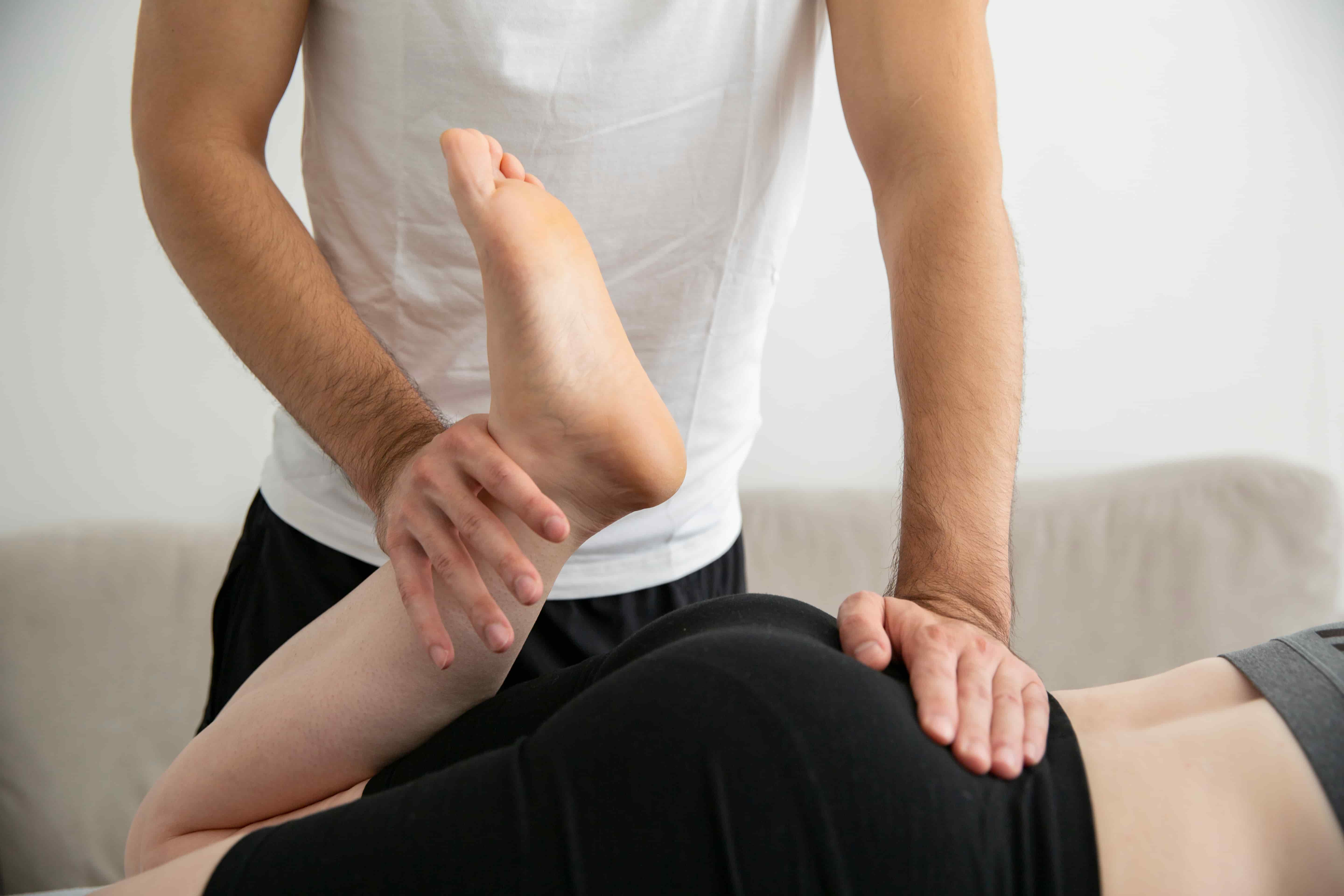
The session starts with a conversation about your symptoms, activity and history, followed by hands-on assessment of the piriformis, TFL, hip flexors and gluteals to establish which part of the hip cluster is driving your pattern. Treatment then releases those structures, working the lower back and thigh where they contribute, rather than just the spot that aches.
First session £80 (usually £100) · view all rates · 🏛️ MSMA member; private health insurance may cover sessions, receipt provided on request.
"I came in with tight hip flexors, which were quickly and efficiently relieved, allowing me to continue playing sports without any restrictions or physical limitations. He was also able to quickly pick up on other areas of my body that were tight and lacking optimal movement, that I wasn't aware of before coming in."
MaxSports client · Google Review"Have been going to Nick for a few months and he has really helped me with the problems I have with my back, shoulders and legs. After sitting in a typist's chair for seventeen years I was struggling with pain and aching joints."
AlisonLong-term client · Google Review"I found Nick nearly a year back. At 42 I couldn't jog without pain. With a tailored treatment plan Nick changed all of that. Nick is honest, considerate, knowledgeable and methodical in his approach."
MattRunner · Google ReviewRead all 66 reviews on the reviews page.
Yes. Most hip pain, including SI joint dysfunction, piriformis syndrome, hip flexor tightness and TFL-related pain, responds well to targeted soft tissue release. Treatment addresses the specific muscles driving the restriction rather than just the area of pain. Most clients see significant improvement within 2 to 3 sessions.
Hip pain typically presents as a local ache in the buttock, lateral hip, groin or outer thigh. Sciatica is a referred pain that travels from the lower back or buttock into the leg, often past the knee. Piriformis syndrome, where a tight piriformis compresses the sciatic nerve, produces a pattern that bridges both: hip and buttock pain with some leg referral. Nick will work out which pattern you have before treatment begins.
Yes. SI joint pain is usually driven by muscular imbalance: tight piriformis, inhibited glutes and restricted hip flexors creating asymmetric loading across the joint. Soft tissue release of the surrounding musculature addresses the drivers of SI joint pain directly. Most clients notice significant relief within 2 to 3 sessions.
In most cases yes, with modification. The goal is to identify which movements are loading the hip in a way that provokes symptoms, and to reduce those while maintaining general activity. Complete rest is rarely necessary and can contribute to further weakening of the surrounding musculature. Nick will advise on specific modifications for your activity level after the first session.
Beverley Road, New Malden, KT3 4AW. A short walk from New Malden railway station with free street parking nearby. Open Monday to Friday 10am to 7pm and Saturday 10am to 3pm. Clients come from Kingston, Wimbledon, Raynes Park, Surbiton and Worcester Park, all within 10 to 15 minutes.
First session £80 (usually £100): assessment and treatment in the same appointment at Beverley Road, New Malden KT3 4AW.